Parental Trauma
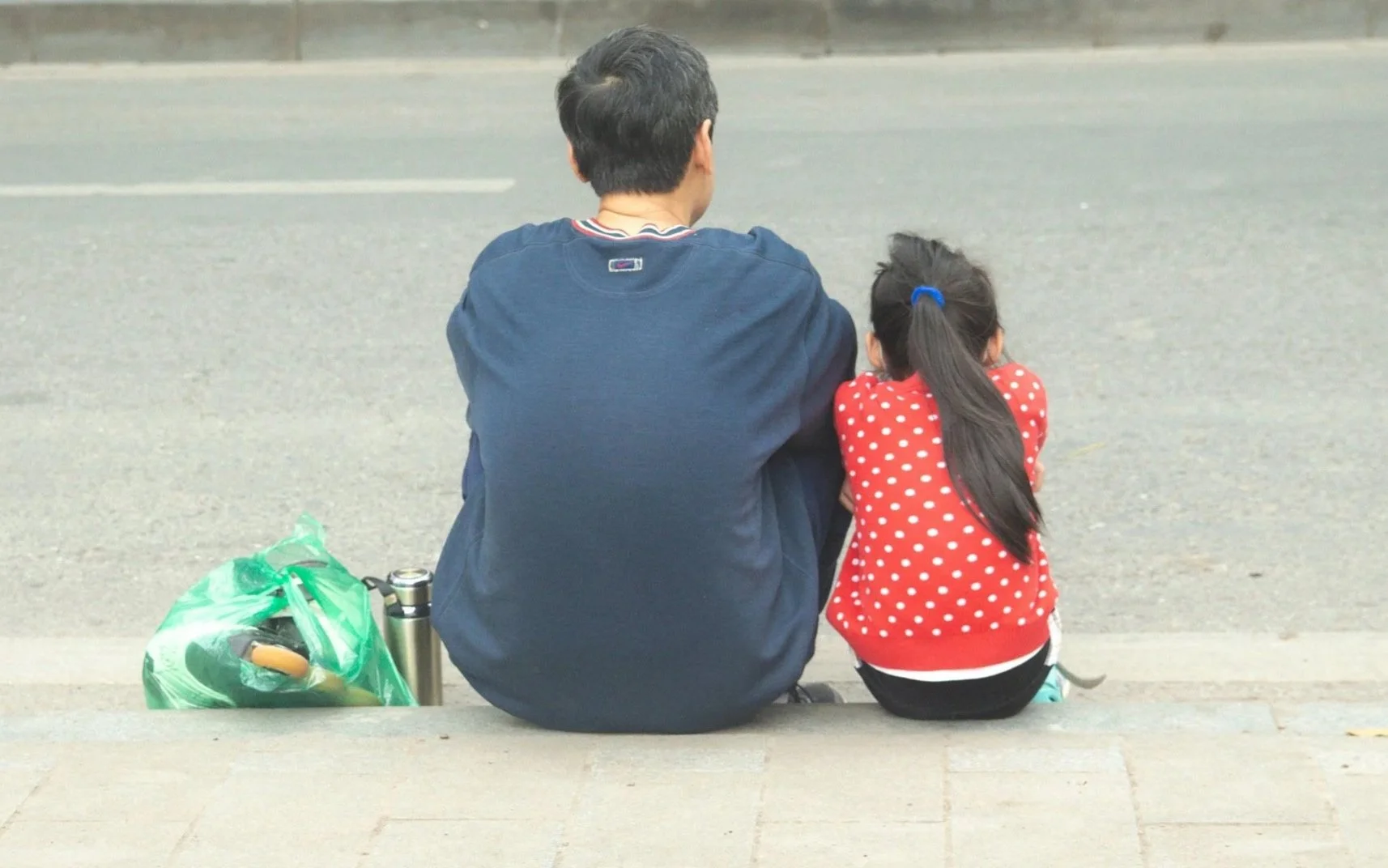
How do our own childhood experiences affect our parenting?
Children need safety and security, love, stability, and consistency to develop secure attachment, emotional regulation, and a healthy sense of self-worth. Our parents and caregivers are often our first source of love, protection, and guidance. Nobody is perfect and we cannot expect our parents to never have made any mistakes at all. Often times, ‘good enough parenting’ (i.e., providing consistent love, safety, and emotional support, even with occasional mistakes) is sufficient for children to thrive.
However, if there are persistent difficult, neglectful, or harmful relationships with our parents during childhood, this might lead to lasting emotional impacts that can shape how we see ourselves, connect with others, and even raise our own children. You may hear this being referred to as ‘father-mother trauma’.
Some examples of early difficult experiences can include:
- Abuse or abandonment: physical, verbal, sexual, or complete absence that leaves a deep emotional void
- Emotional neglect: not providing affection, validation, or support
- High-pressure expectations: giving constant pressure to excel, disapproval of achievements, preferences, and ideas that damages self-esteem
- Caregiving demands: needing to take on responsibility for younger siblings or parents/grandparents with mental or physical health issues
These wounds can follow us as we develop and form our own relationships in adulthood. Common signs may include:
- Feeling unworthy of love or constantly seeking validation from your partner
- Struggling to trust others
- Difficulties forming healthy relationships. Some adults find themselves in patterns of unhealthy relationships, which may mirror the relationship they had with their parents (e.g., having a partner that is controlling or emotionally absent)
- Experiencing guilt or resentment towards your caregiver.
These wounds often unconsciously influence the way we parent our own children. If unresolved, some adults may replicate the harsh, distant, or critical behaviours they experienced. Others may swing to the complete opposite, becoming overly permissive. Some adults also notice that they may seem to be ‘easily triggered’ by their child’s behaviour, leading to large unwanted outbursts. Adults who struggle with trust and self-worth may also find it difficult to form secure emotional connections with their own children.
Coming to terms with childhood experiences is challenging. With professional support through therapy, we realise that we can love our parents and still acknowledge that they hurt us. We learn that healing involves accepting the reality of what happened, even if we cannot change the past or forgive our parents. Importantly, we learn to give ourselves the validation or safety we did not receive as a child and gain the emotional clarity to step back and ask ourselves what is the best way to respond to our children. We embrace good enough parenting and understand that our active steps towards healing and breaking free from the past’s emotional chains would be invaluable to our loved ones and children and help us build a healthier family legacy.