Bullying in Children: How Parents Can Help
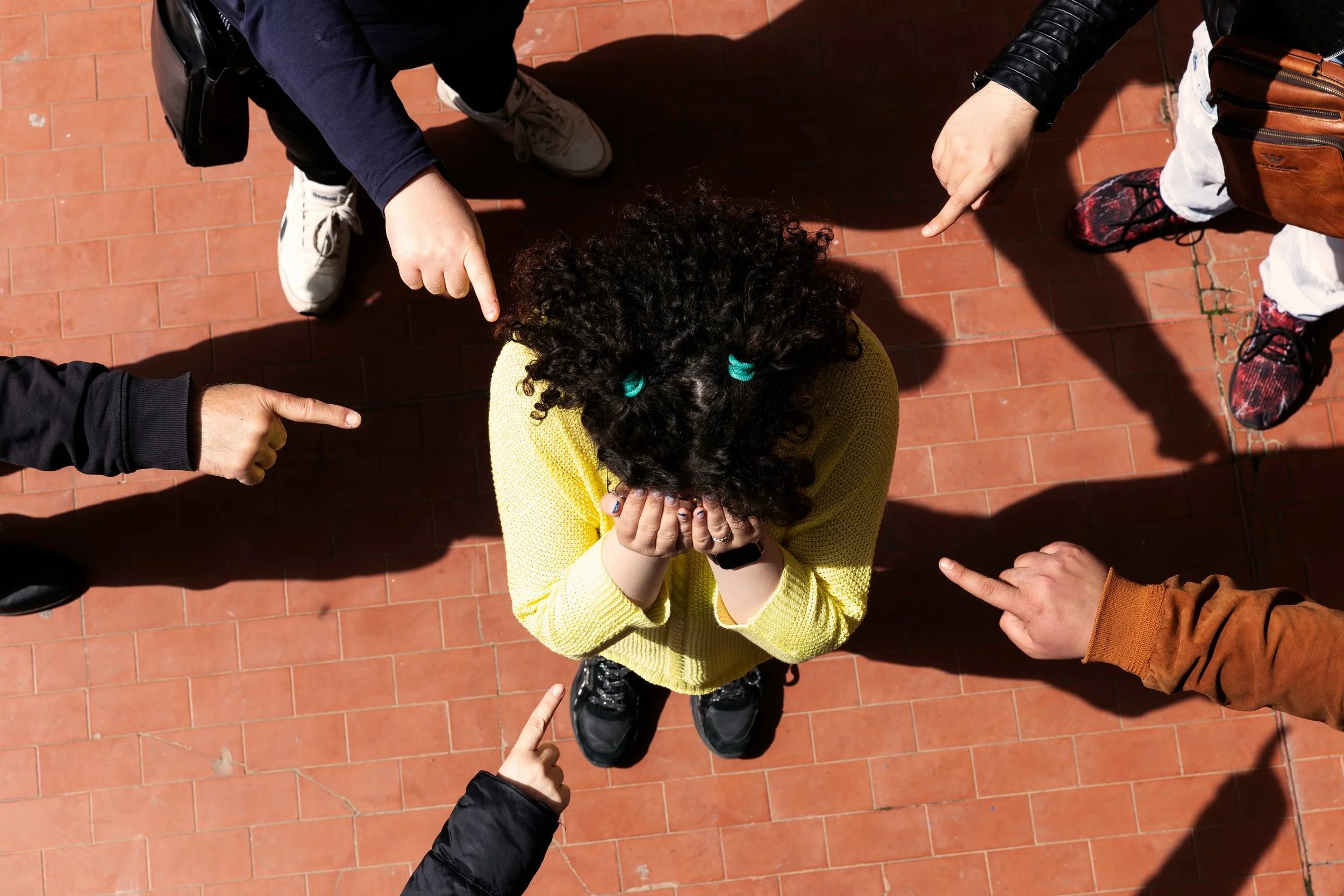
Being singled out or targeted by others can be deeply distressing. Bullying can have lasting effects on a child’s emotional well-being.
Bullying is a significant psychological stressor with long-term implications for a child’s mental health. For parents, discovering a child is being targeted often stirs a mix of protective anger and helplessness. While some dismiss these incidents as “common childhood experiences”, chronic bullying can lead to lasting challenges like anxiety and depression in adulthood.
What is Bullying?
It differs from typical peer conflict. Bullying involves a power imbalance, such as social status or physical strength, and is repeated. It’s not a one-off disagreement but a pattern intended to cause distress.
Bullying manifests in several ways:
- Physical and Verbal: Overt acts like pushing, name-calling or threatening.
- Relational: Subtle acts like social exclusion or spreading rumours.
- Cyberbullying: Harassment via gaming platforms or social media.
Cyberbullying follows children into their private spaces, which can feel inescapable. It denies them the chance to decompress as the “bully” effectively follows them home through their devices.
What may I notice at home?
Children often lack the vocabulary to express psychological distress. Instead, the impact of bullying usually shows up through changes in their bodies and behaviours:
- Somatic Complaints: Stress often manifests as physical pain. Frequent headaches or stomachaches on school mornings are often genuine physical responses to extreme anxiety.
- Social Withdrawal: A sudden loss of interest in hobbies or friends is a common sign of distress. You might notice an outgoing child becoming uncharacteristically silent or withdrawn at home.
- Anticipatory Anxiety: A sharp increase in irritability or tearfulness as the school week approaches – often called the “Sunday Night Scaries” – is a clear signal that the school environment feels unsafe.
What can we do?
A child’s recovery depends on an emotionally secure home base and a collaborative relationship with school staff.
- Prioritise Validation: When a child speaks up, it’s tempting to offer advice like “just ignore them” but this can feel like blame. Instead, lead with validation: “I can see why that felt so overwhelming.” A child who feels heard is more likely to keep sharing.
- Model Conflict Resolution: Children learn how adults handle disagreements by observing them. Demonstrate healthy boundaries and respectful communication at home.
- Manage Digital Boundaries: Frame technology use as a matter of safety rather than a lack of trust. Keep devices in shared family areas to minimise isolation and reduce the risk of cyberbullying. Teach your child to “block, screenshot and report” rather than engaging with toxic interactions.
When should we seek professional help?
While parental support is crucial, some trauma requires a clinical approach. Therapy can help a child process their experience of bullying, rebuild self-esteem, and develop social skills.
Professional support should be sought if you notice:
- Persistent personality changes lasting longer than two weeks.
- Developmental regression, such as bed-wetting or extreme separation anxiety.
- Academic collapse, including a sudden decline in grades or a complete refusal to attend school.
- High-risk signals, such as any talk of self-harm or “not wanting to be here”, which should be treated with immediate urgency by a professional.